Dorian's wish
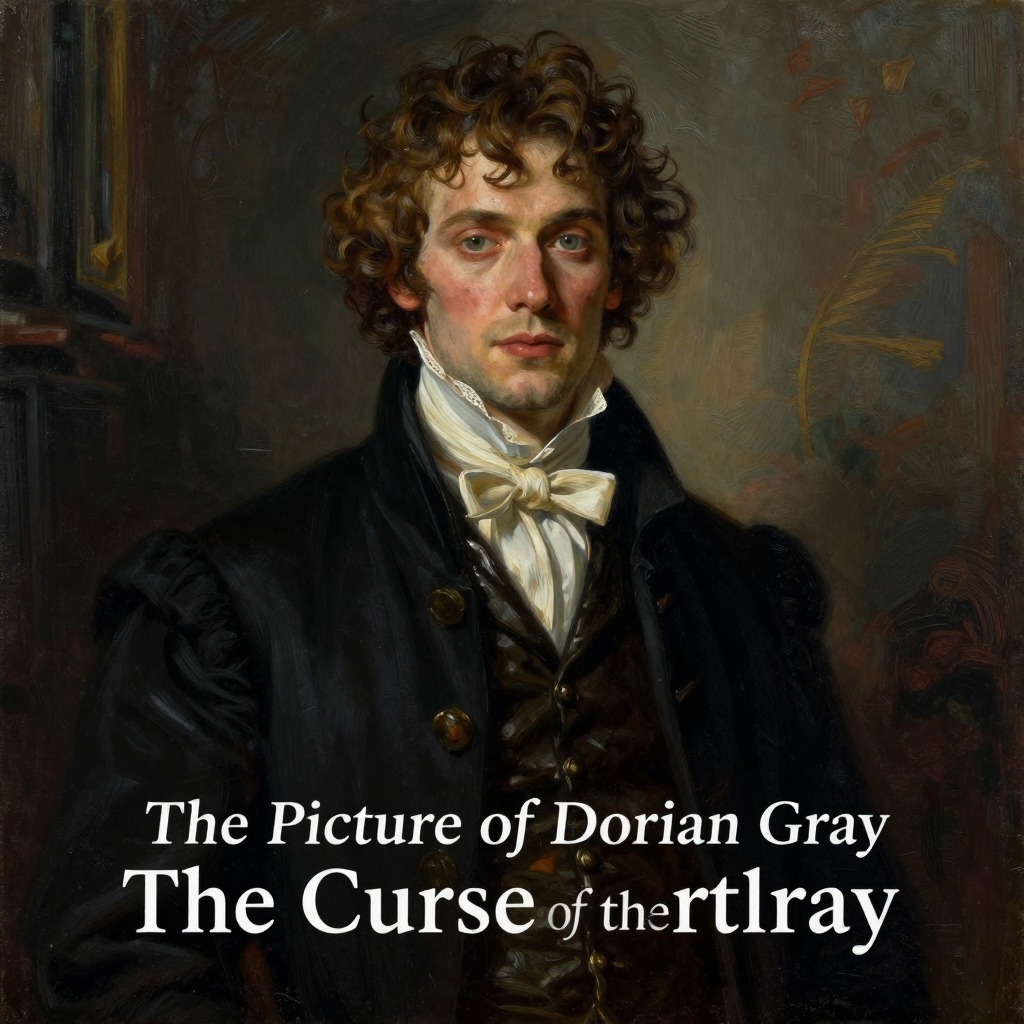
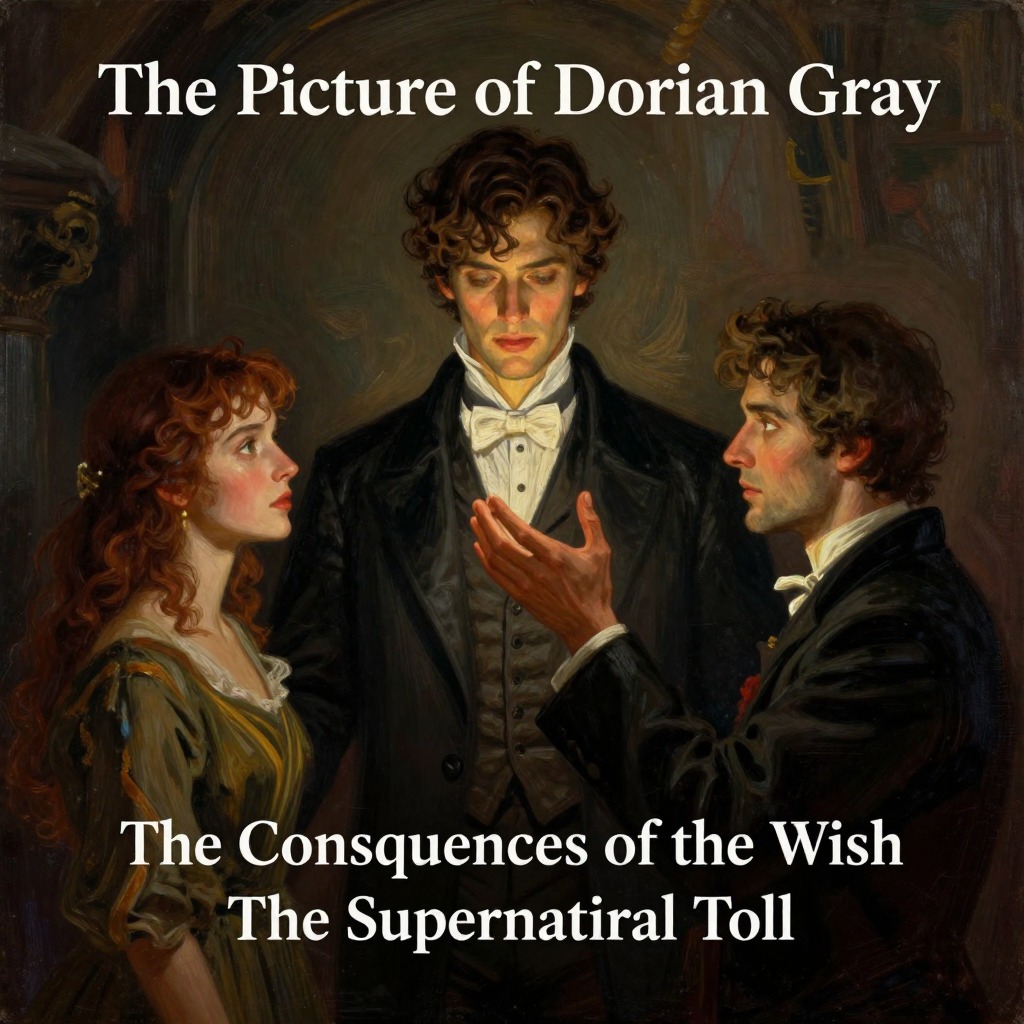
Dorian Gray's wish is the central supernatural event of The Picture of Dorian Gray, a Faustian bargain made in a moment of anguished vanity that irrevocably alters the course of his life. Uttered in Basil Hallward's studio on the day the portrait was finished, the wish is a desperate prayer that the painted image should bear the burden of age and sin while he himself remains eternally youthful. Its mysterious fulfillment transforms the portrait from a work of art into a living record of Dorian's soul, and the consequences of this pact—the murder of Basil Hallward, the suicide of Sibyl Vane, and the corruption of everyone close to him—form the tragic arc of the novel.
The Moment of the Wish
The wish is born in a moment of profound self-awareness and terror. When Dorian Gray first sees the completed portrait, he is struck by a revelation of his own beauty. Basil Hallward's compliments had always seemed like charming exaggerations, but now, standing before the canvas, the full reality of his loveliness—and its inevitable decay—flashes across him. He realizes that one day his face will be wrinkled and wizen, his eyes dim and colorless, the grace of his figure broken and deformed. The scarlet will pass from his lips, and the gold will steal from his hair. A sharp pang of pain strikes him like a knife, and he feels as if a hand of ice has been laid upon his heart. In this state of anguish, he murmurs, "How sad it is! I shall grow old, and horrid, and dreadful. But this picture will remain always young. It will never be older than this particular day of June. . . . If it was only the other way! If it was I who were to be always young, and the picture that were to grow old! For this—for this—I would give everything! Yes, there is nothing in the whole world I would not give!" This is the precise moment of the wish, a prayer born of vanity and fear.
The Immediate Context and Catalyst
The wish does not occur in a vacuum. It is the culmination of a series of influences that have been working on Dorian throughout the afternoon. Lord Henry Wotton, whom Dorian has just met, has been speaking to him with his characteristic blend of cynicism and seductive philosophy. He has told Dorian that youth is the one thing worth having, that beauty is a form of genius higher than intellect, and that the gods give beauty only to take it away. He has urged Dorian to "realize your youth while you have it" and to live a life of new sensations. These words have touched a secret chord in Dorian, stirring fresh impulses within him. He feels that life has suddenly become fiery-colored, and he understands things from his boyhood that had previously been obscure. Lord Henry's influence has awakened in Dorian a desperate awareness of the transience of beauty, and it is this awareness that makes the wish possible.
The Wish's Fulfillment and Immediate Consequences
The wish is granted almost immediately, though Dorian does not realize it until later that night. After he cruelly rejects Sibyl Vane, he returns home and notices that the portrait's expression has changed: there is a touch of cruelty around the mouth. He remembers his wish and is horrified to think it might have been answered. The next morning, after learning of Sibyl's suicide, he examines the portrait again and confirms that it has indeed altered. The vicious cruelty that now mars the fine lines of the mouth appeared, he believes, at the very moment the girl drank the poison. From this point on, the portrait becomes a visible symbol of his degradation, changing with every sin he commits while his own face remains untouched by time or remorse.
The Wish's Role in the Narrative
The wish is the engine of the plot. It allows Dorian to pursue a life of hedonism and corruption without any visible consequences, while the portrait bears the burden of his shame. He hides it in a locked room, and for years he watches its gradual decay with a mixture of horror and fascination. The wish also creates the central irony of the novel: Dorian's prayer for eternal youth is answered, but it traps him in a state of moral immaturity, preventing any genuine growth or redemption. When he finally attempts to destroy the portrait by stabbing it with the same knife he used to kill Basil Hallward, the spell is broken, and he dies, instantly becoming the withered, loathsome figure that the portrait had become. The wish, which seemed to offer him freedom from the consequences of his actions, ultimately leads to his destruction.